
Seiring turunnya suhu pada bulan Januari ini, kucing-kucing liar mencari sumber kehangatan apa pun yang bisa mereka temukan. Sayangnya bagi banyak pengemudi, sumber tersebut sering kali adalah mesin atau sasis mobil yang sedang parkir.
Laporan terbaru menunjukkan lonjakan kasus "kucing mobil"—kucing liar yang merangkak ke dalam ruang roda atau ruang mesin untuk menghindari angin dingin. Meskipun ini adalah taktik bertahan hidup bagi si kucing, hal ini dapat menimbulkan situasi berbahaya bagi hewan maupun pengemudi.
Berikut adalah cara agar Anda dapat menjaga keamanan "penumpang gelap" berbulu ini dan menghindari keadaan darurat di jalan.
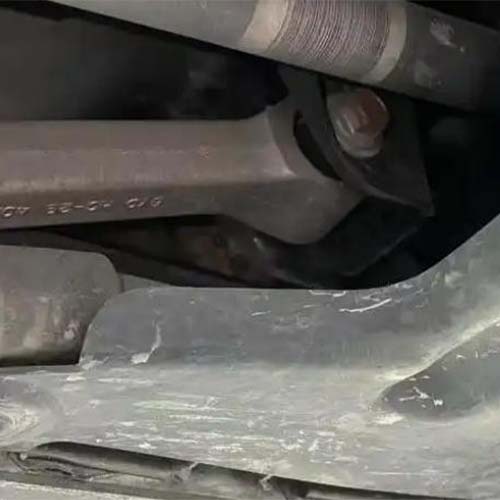
Mengapa di Mobil?
Kucing secara alami tertarik pada ruang gelap dan tertutup di mana mereka merasa aman. Mobil yang baru saja dimatikan berfungsi seperti radiator raksasa. Sisa panas dari mesin adalah "pemanas" yang sempurna bagi kucing yang kedinginan. Selain itu, celah sempit di sasis melindungi mereka dari angin, menjadikannya tempat perlindungan musim dingin yang utama.
Rutinitas 30 Detik Sebelum Berkendara
Pencegahan adalah cara terbaik untuk menghindari kecelakaan tragis. Sebelum Anda masuk dan menyalakan mesin, cobalah langkah-langkah sederhana ini:
Ketuk Kap Mesin: Berikan beberapa ketukan kuat pada kap mobil Anda untuk mengagetkan kucing yang sedang tidur dan mendorong mereka keluar.
Periksa Ruang Roda: Lihat sekilas ban Anda. Kucing sering meringkuk di atas ban, masuk ke dalam lengkungan roda (spakbor).
Dengarkan dengan Seksama: Setelah Anda masuk ke dalam mobil, tunggu 10 hingga 20 detik sebelum menyalakan mesin. Dengarkan apakah ada suara mengeong, garukan, atau suara gemerisik yang tidak biasa dari bagian depan kendaraan.
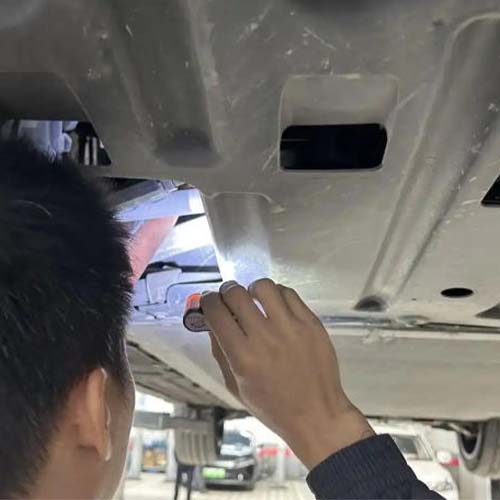
Apa yang Harus Dilakukan Jika Kucing Terjebak
Jika Anda mendengar suara kucing tetapi tidak dapat menemukannya, atau jika ia tidak mau keluar, jangan mencoba menariknya keluar dengan paksa. Kucing yang ketakutan bisa menjadi agresif dan mungkin mencakar atau menggigit, yang berisiko bagi kesehatan Anda.
Gunakan Makanan sebagai Umpan: Terkadang semangkuk makanan basah atau camilan berbau tajam yang diletakkan di dekat mobil cukup untuk membujuk mereka keluar.
Hubungi Profesional: Jika kucing berada jauh di dalam sasis, pilihan terbaik Anda adalah menghubungi bengkel lokal atau bengkel resmi. Mereka memiliki alat untuk melepas panel bodi bawah dan "menyelamatkan" kucing tanpa cedera.
Setelah Penyelamatan: Merawat "Kucing Mobil"
Setelah kucing aman, mereka kemungkinan besar akan berada dalam keadaan syok.
Sediakan Ruang yang Tenang: Tempatkan mereka di area yang hangat dan tenang (seperti kandang cargo atau ruangan kecil) agar mereka bisa tenang.
Berikan Hidrasi: Sediakan air bersih dan sedikit makanan.
Cek ke Dokter Hewan: Jika kucing terlihat kurus, ada kotoran di sekitar mata atau hidung, o tampak terluka, bawalah ke dokter hewan. Pemeriksaan fisik profesional atau tes darah adalah satu-satunya cara untuk memastikan kucing benar-benar sehat.
Tindakan Kecil yang Berarti
Meluangkan waktu ekstra satu menit untuk memeriksa mobil Anda mungkin terasa merepotkan, tetapi itu bisa menyelamatkan nyawa. Musim dingin ini, mari pastikan mobil kita hanya membawa penumpang yang seharusnya.

 Bahasa Indonesia
  English
  Español
  日本語
日本語