
Have you ever fed a stray cat for weeks, only to have them vanish without a trace? You are not alone—and there is usually a logical, though sometimes heartbreaking, reason behind it. Stray cats are nomadic by nature and survival-driven. Understanding where they go helps us better appreciate the fleeting but meaningful impact we have on their lives.
The “Better Diner” Theory: Opportunistic Migration
Cats are master opportunists. Sometimes, they simply follow a better food source. A resident might feed a tabby every night, only to find the cat has “upgraded” to a neighbor who serves fresh chicken or premium kibble. In the feline world, loyalty is often tied to the quality and consistency of the “restaurant.” If they find a more reliable or tastier meal elsewhere, they will relocate their home base.
Environmental Stress: Scared Away by Urban Noise
Stray cats are hyper-vigilant. Loud, sudden sounds like road construction, jackhammers, or even aggressive dogs can send them fleeing for miles. When their territory becomes noisy or unpredictable, their survival instinct dictates that they find a quieter, safer haven. It may take weeks or months for a spooked cat to feel safe enough to return to its original feeding spot.
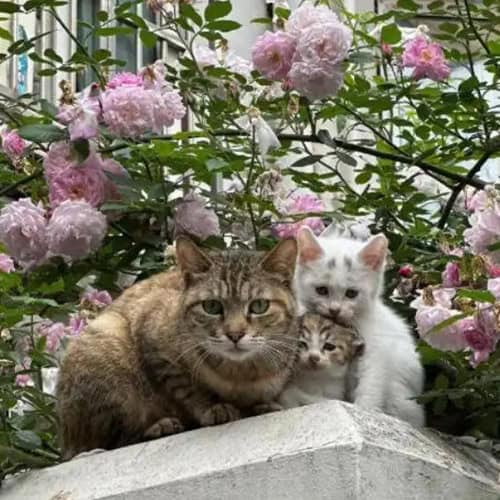
The Harsh Reality: Accidents and street Hazards
Life on the streets is unforgiving. Statistically, over 60% of stray cats do not survive past three years of age. Busy roads, freezing winters, and untreated illnesses are constant threats. Often, a sudden disappearance is the result of a traffic accident or a rapid decline in health—a sobering reminder of why high-quality nutrition and safe environments are so critical for outdoor populations.
Human Intervention: The Threat of Cruelty
Unfortunately, not everyone is a friend to felines. Strays may disappear because of intentional poisoning or illegal trapping. When a colony vanishes overnight, it is often a sign of human interference. This reality drives Bory Pet’s mission; we advocate for the protection of these animals and support rescue groups that monitor and defend stray populations.
Natural Instincts: Wandering for Love or Territory
For cats that haven’t been sterilized, the call of nature is powerful. Intact males will wander for miles in search of a mate, often abandoning a stable feeding territory to follow a queen or establish a new colony. This wandering is a primary reason why Bory Pet supports TNR (Trap-Neuter-Return) programs—to keep cats safe, healthy, and rooted in their communities.
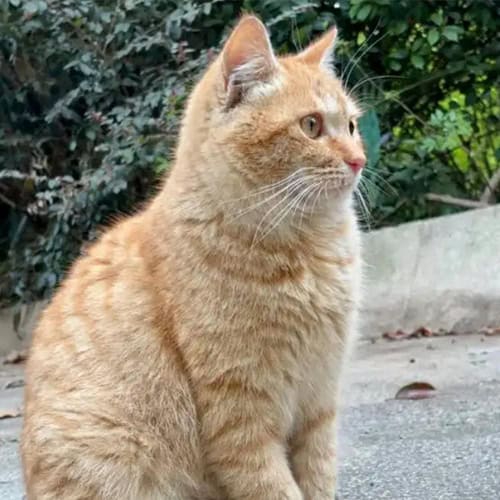
The Silent Goodbye: Hiding to Pass Peacefully
When a cat is elderly or severely ill, their natural instinct is to seek out a quiet, hidden, and solitary spot to pass away. They do this to avoid predators during their most vulnerable state. It is a quiet, dignified retreat that often leaves their human caretakers without a chance to say goodbye, yet it is a deeply ingrained feline behavior.
Why Every Meal Still Counts
Rescuers know the risks, yet they continue to provide care. As one volunteer aptly put it: “I can’t save every stray, but tonight, this bowl of food means one less cat will go to sleep hungry.” At Bory Pet, we share this philosophy. Through our Compassionate Fund, we provide resources to those who offer these small, consistent acts of kindness. Because even if they disappear tomorrow, the comfort you provide today matters forever.

 English
  Español
  日本語
日本語  Bahasa Indonesia